A quiet space for thoughtful design and curated digital essentials—created to inspire clarity, simplicity, and elevated visuals.
Studio Notes
Creating content in 2026 is no longer just about being consistent — it’s about creating visuals that feel refined, intentional, and aligned with your brand.
The design tools for content creators you choose play a big role in that. They don’t just support your workflow — they influence how your content looks and feels.
Design Tools for Content Creators: Graphic Design
Every content creator needs a go-to design tool.
Canva remains one of the most accessible and versatile platforms available. It allows you to create everything from Instagram posts to ebooks with ease, even if you’re not a designer. The real power of Canva is in how quickly you can bring ideas to life.
I also share my favorite resources and templates on my resources page.
Best for: social media graphics, digital products, brand visuals
Website Design Tools for Content Creators
Your website is where your brand truly comes to life — and choosing the right platform matters.
Showit is designed for creatives who value both flexibility and aesthetics. Its drag-and-drop builder allows you to create a completely custom website without needing to code, making it ideal for designers, coaches, and content creators.
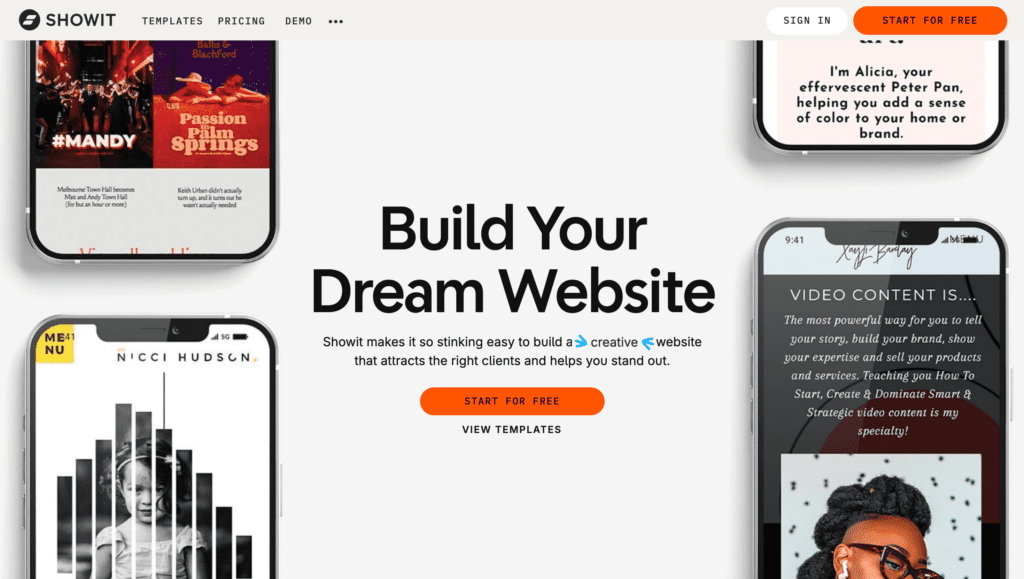
It’s especially powerful if you want your website to feel unique and fully aligned with your visual identity.
You can try Showit with one month free using my link — a perfect way to explore the platform without commitment.
Best for: creative businesses, personal brands, service-based websites
For Mockups & Visual Presentation
Presentation is everything. Even simple designs can feel premium when they’re shown in the right context.
Mockupline offers a curated collection of mockups that help you showcase your work in a clean, elevated way. Whether you’re presenting a website, social media template, or digital product, mockups add that extra layer of professionalism.
Alongside this, Moyo Studio provides beautifully styled mockups and visual assets that feel modern, feminine, and brand-focused — perfect for creators who want a cohesive and elevated look across their content.
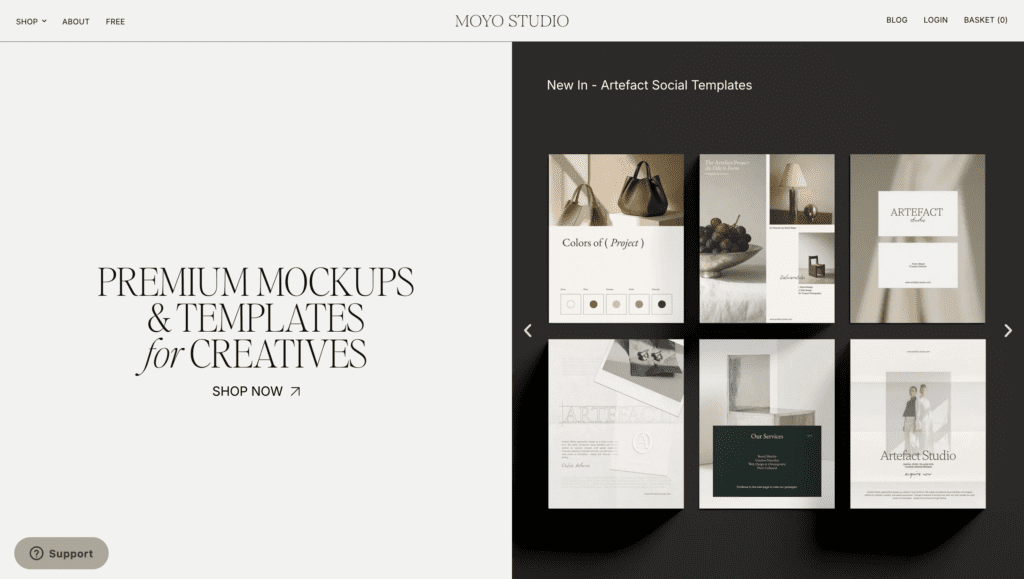
Together, these tools make it easier to present your work in a way that feels intentional and high-end.
Best for: product visuals, portfolio presentation, sales pages
For Stock Photos & Visual Libraries
Consistent, high-quality visuals are key to building a recognizable brand.
Kaboompics is a beautiful free stock photo platform known for its cohesive collections and modern aesthetic. It’s perfect if you want images that feel styled and on-brand without looking generic.
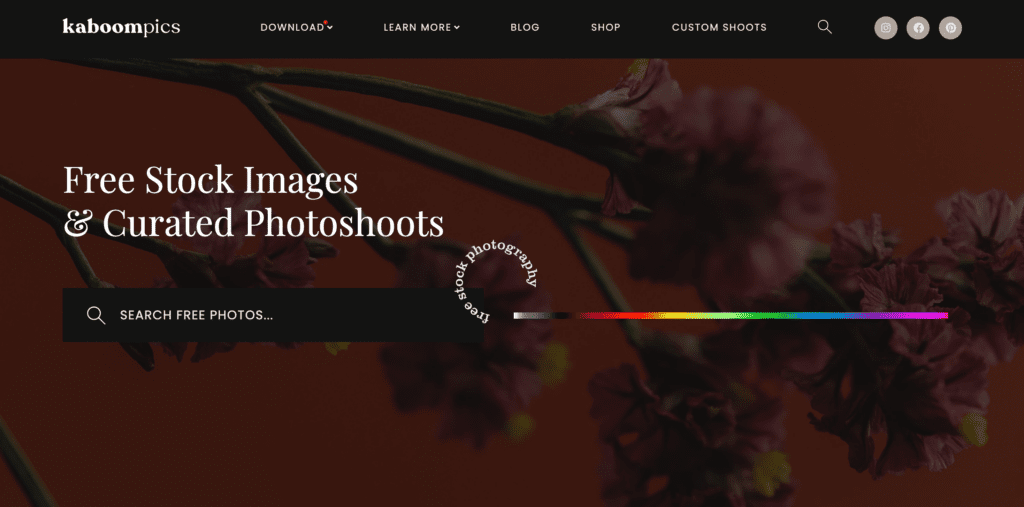
I personally love using Kaboompics images — they’ve become a staple in almost all of my designs.
Best for: branding, websites, Pinterest, blog content
How to Choose the Right Tools
It’s easy to feel like you need everything — but you don’t.
A simple setup is often the most effective:
- One design tool
- One website platform
- A small library of visual resources
From there, you can build gradually as your needs grow.
The goal is not to collect tools, but to create a workflow that feels effortless and aligned with your brand.
Final Thoughts
The best design tools are the ones that support your creativity and simplify your process. When your tools feel intuitive, you spend less time figuring things out — and more time creating.
As you build your brand in 2026, focus on quality over quantity. A curated toolkit will always take you further than an overwhelming one.
Start simple, stay consistent, and let your visuals evolve naturally over time.